.png)
WHERE CLINICAL CARE, MOVEMENT AND WELLBEING COME TOGETHER TO MAKE CHANGE THAT LASTS
PLANTAR FASCIITIS + HEEL PAIN
IN WEST AUCKLAND
Plantar fasciitis is one of the most common causes of heel and foot pain, affecting runners, tradies, people on their feet all day and even those who have simply increased walking or activity levels. It usually develops gradually, creating pain through the underside of the heel or arch - often worst with the first few steps in the morning or after periods of rest. While commonly called “plantar fasciitis,” many long-standing cases involve a combination of tissue overload, reduced foot strength, calf tightness and changes in how the body absorbs force through walking and movement.
At Waitākere Health Hub we take an integrated approach to plantar fasciitis treatment, combining hands-on care, rehabilitation and recovery support to reduce pain and help improve long-term foot function. Depending on your presentation, treatment may include osteopathy, acupuncture, massage therapy, shockwave therapy, rehabilitation or wellness support. No GP referral is needed, and if your symptoms are injury-related, we can often lodge your Accident Compensation Corporation claim in clinic.
COMMON SYMPTOMS OF PLANTAR FASCIITIS
-
Sharp pain under the heel when taking first steps in the morning
-
Heel pain after standing, walking or exercise
-
Tightness through the arch or sole of the foot
-
Pain that eases with movement but returns later in the day
-
Tenderness when pressing into the heel
-
Foot pain after long periods standing at work
-
Tight calves or Achilles tension alongside foot pain
-
Limping or altered walking due to discomfort


COMMON CAUSES FOR PLANTAR FASCIITIS
Plantar fasciitis usually develops from repetitive overload and reduced tissue recovery over time.
Common contributing factors include:
-
Sudden increases in walking, running or exercise
-
Long hours standing on hard surfaces
-
Tight calves and reduced ankle mobility
-
Poor foot strength or altered biomechanics
-
Unsupportive footwear
-
Returning to exercise too quickly after injury
-
Weight-bearing changes during pregnancy
-
Repetitive strain from physical work or sport
HOW WE TREAT PLANTAR FASCIITIS
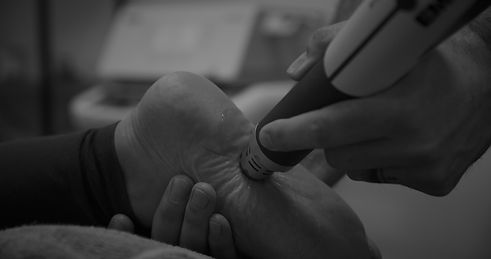
shockwave for plantar fasciitis
Shockwave therapy is commonly used for chronic plantar fasciitis and stubborn heel pain. The acoustic waves stimulate circulation and tissue repair while helping reduce pain sensitivity in overloaded tissue. It is often particularly effective for long-standing cases that have not fully responded to rest alone.
osteopathy for plantar fasciitis
Osteopathy looks at how the foot, ankle, calf, hips and overall movement patterns are working together. Treatment may include mobilisation, stretching, soft tissue work and rehabilitation advice to improve load distribution and reduce stress through the plantar fascia.

.png)
acupuncture for plantar fasciitis
Acupuncture may help reduce pain sensitivity, improve circulation and relax tight tissues through the foot and calf. Electro-acupuncture is commonly used for plantar fasciitis and may help support both pain relief and tissue healing.
massage therapy for tight calves and heel pain
Massage therapy can help release tension through the calves, Achilles tendon and foot muscles that may be contributing to ongoing heel pain. Reducing muscular tightness can improve how force travels through the lower limb during walking and activity.
rehabilitation + strengthening
Rehabilitation focuses on improving foot strength, calf capacity, ankle mobility and overall lower limb support. Guided strengthening and loading programmes are often an important part of long-term recovery and reducing recurrence.
infrared sauna + wellness room
Infrared sauna and wellness therapies may help support circulation, recovery and muscular relaxation - especially for people dealing with persistent pain or high physical workloads.
cross discipline care
Some people respond best to one treatment approach, while others benefit from combining therapies such as shockwave therapy alongside rehabilitation, or acupuncture together with osteopathy and massage. Our practitioners work collaboratively to help find what best supports your recovery.

.png)

WHAT TO EXPECT FROM YOUR FIRST APPOINTMENT
Your first appointment focuses on understanding how your heel pain developed and what may be contributing to ongoing strain through the foot and lower limb. We’ll discuss your activity levels, footwear, work demands, exercise history and symptom pattern.
Your practitioner will assess the foot, ankle, calf and movement patterns that may be influencing your symptoms. Treatment often begins during the first session and may include hands-on therapy, acupuncture, shockwave therapy or rehabilitation advice depending on your presentation.
You’ll leave with a clearer understanding of your condition and a treatment plan tailored to your goals and lifestyle.