.png)
WHERE CLINICAL CARE, MOVEMENT AND WELLBEING COME TOGETHER TO MAKE CHANGE THAT LASTS
SCIATICA
IN WEST AUCKLAND
Sciatica is a term used to describe pain that travels from the lower back or buttock down into the leg, often following the path of the sciatic nerve. It can feel sharp, burning, electric, tight or deeply aching, and may be accompanied by numbness, tingling or weakness through the hip, calf or foot. Sciatica is common in New Zealand and can affect anyone - from office workers and drivers to athletes, tradies and parents lifting young children.
At Waitākere Health Hub we take an integrated approach to sciatica treatment, focusing not just on the irritated nerve itself, but on why the nerve is being stressed in the first place. Depending on your presentation, treatment may include osteopathy, acupuncture, massage therapy, rehabilitation, shockwave therapy or wellness support to help reduce pain, improve movement and support recovery. No GP referral is needed, and if your symptoms are injury-related, we can often lodge your Accident Compensation Corporation claim in clinic.
COMMON SYMPTOMS OF SCIATICA
-
Pain travelling from the lower back into the buttock or leg
-
Sharp, burning or electric-like pain
-
Tingling or pins and needles in the leg or foot
-
Numbness through the calf, foot or toes
-
Pain when sitting, driving or bending forward
-
Tightness through the glutes or hamstrings
-
Weakness or heaviness in the leg
-
Difficulty standing upright or walking comfortably

COMMON CAUSES FOR SCIATICA
Sciatica is often caused by irritation or compression of the sciatic nerve somewhere along its pathway.
Common contributing factors include:
-
Disc bulges or disc irritation in the lower spine
-
Joint restriction through the lumbar spine or pelvis
-
Tight or overloaded gluteal muscles, including piriformis syndrome
-
Pregnancy and pelvic changes
-
Repetitive lifting, twisting or physical work
-
Prolonged sitting or driving
-
Sports injuries or sudden strain
-
Poor movement patterns and reduced core support
HOW WE TREAT SCIATIC PAIN
osteopathy for sciatica
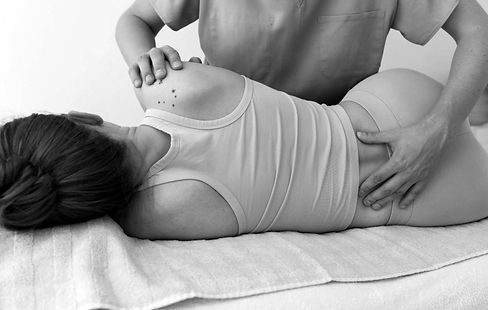
Osteopathy aims to reduce strain on the irritated nerve by improving how the spine, pelvis, hips and surrounding muscles are moving together. Treatment may include mobilisation, articulation, soft tissue techniques, traction, stretching and rehabilitation advice to help reduce pressure, improve mobility and support recovery.
acupuncture for sciatica
Acupuncture may help reduce pain sensitivity, relax tight muscles and support the nervous system’s regulation of inflammation and healing. Electro-acupuncture is commonly used for sciatic pain and may help calm irritated nerve pathways while improving circulation into affected tissues.


massage for sciatica
Massage therapy can help reduce muscular tension through the lower back, glutes and hips that may be contributing to nerve irritation. Many people with sciatica develop significant guarding and tightness around the painful area, which can further restrict movement and recovery.
shockwave therapy for glute/hip related sciatica
In some cases, sciatica-like symptoms are linked to chronic tension or tendon dysfunction around the glutes and pelvis. Shockwave therapy may help stimulate healing and reduce pain in these surrounding structures.
clinical pilates
Rehabilitation focuses on improving movement control, posture, hip mobility and core support so the lower back and pelvis can tolerate daily load more effectively. Our small clinical Pilates classes allow exercises to be modified to your stage of recovery and confidence with movement.
infrared sauna + wellness room
For people experiencing chronic pain, muscle guarding or stress-related tension, infrared sauna and wellness therapies may help support circulation, relaxation and nervous system regulation alongside hands-on care.
cross discipline care
Sciatica often responds best when treatment addresses both the irritated nerve and the surrounding body mechanics. Your practitioner may recommend combining therapies such as osteopathy and acupuncture, and then some rehabilitation depending on your symptoms and goals.

.png)

WHAT TO EXPECT FROM YOUR FIRST APPOINTMENT
Your first appointment is focused on understanding where your nerve pain may be coming from and how it is affecting your movement and daily life. We’ll discuss your symptoms, injury history, aggravating movements, work demands, exercise habits and general health.
Your practitioner will assess your lower back, pelvis, hips and nerve mobility to help determine what structures may be contributing to your symptoms. Treatment often begins during the first session and may include hands-on therapy, acupuncture, soft tissue treatment or movement guidance.
You’ll leave with a clearer understanding of your condition and a plan designed around your recovery goals.